
Growing Up Black in Independence: Three Women, Three Very Different Stories
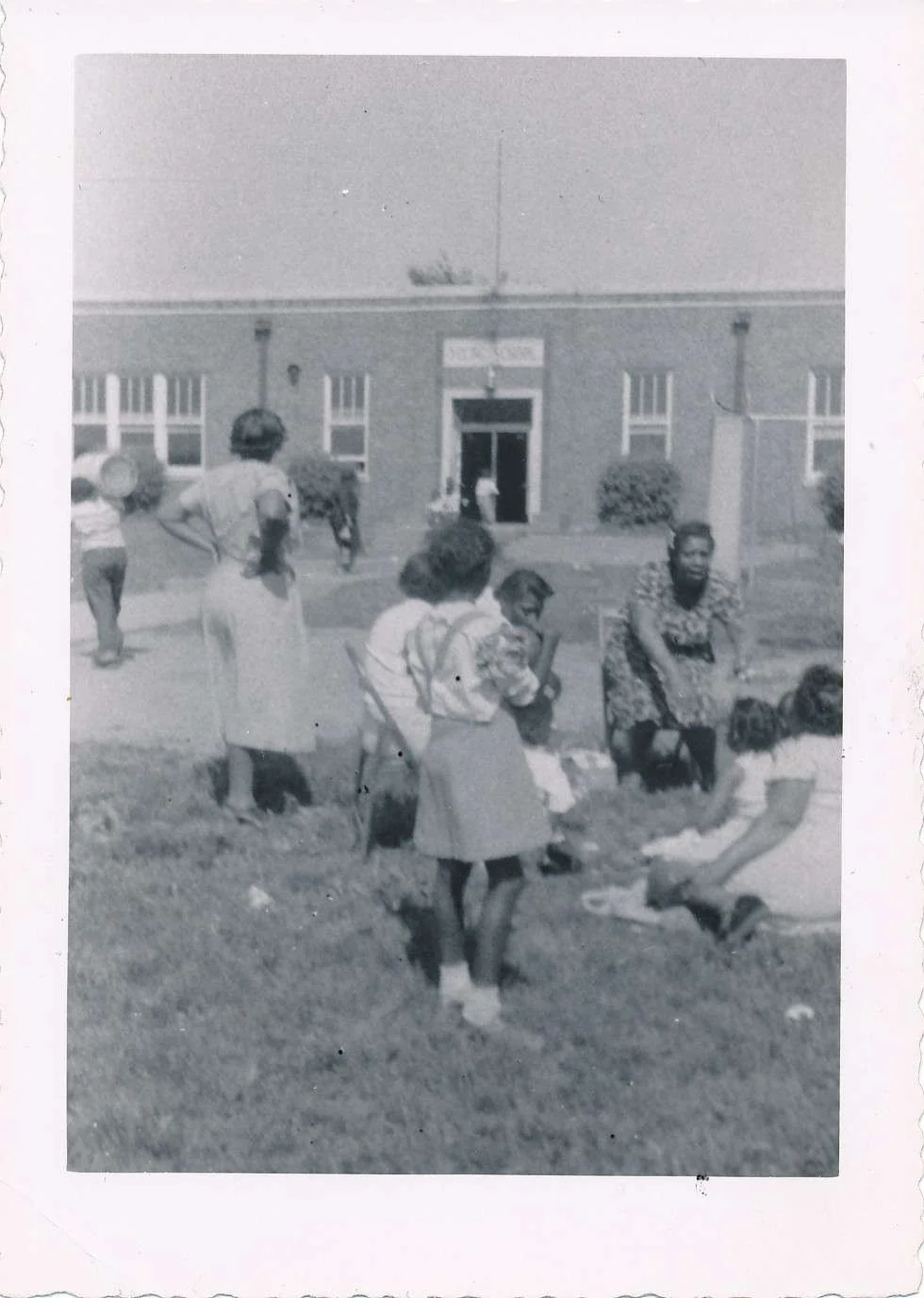
Children play outside at recess at the Young School in Independence.
Three Black women, Ann Shipp Taylor, Alversia Brown Pettigrew, and Bea Johnson Agee, were lifelong friends. All three women graduated from William Chrisman High School: Ann in 1955, Alversia in 1962, and Bea in 1963. While all three woman grew up in Independence, MO during the 1950s and 1960s, their experiences were vastly different.
By Gloria J. Smith
Ann Elizabeth Taylor was born December 31, 1937, in Independence to Pearl E. Pollard Shipp and Malachi Shipp. After her father died in 1942 when she was five, Ann and her mother lived with Aunt Abbie Pollard Taylor and Uncle Arthur Taylor at 214 East Truman Road. Ann is a cousin of Alversia Pettigrew, as they share a grandfather, Barry Copperidge.
Aunt Abbie had a degree in education and home economics from Lincoln University and taught at Young School in Independence until her marriage, and then had to quit teaching because in those days women couldn’t teach after they married.
Her mother worked at Lake City during WWII, and after the war, was among lots of people who were laid off when the men returned from the war. Her mother later worked with her Aunt Abbie at Blevins Davis’ home at Glendale, now the Mansion Apartments on Lee’s Summit Road. Her mother also worked for Mr. A.J. Bundschu (father of Judge Henry Bundschu) at home on West Maple. Ann was named after Anna Bundschu, the wife of Judge Bundschu. Ann worked for the Bundschus four hours a day after school and also worked with her mother when the Bundschus had parties.
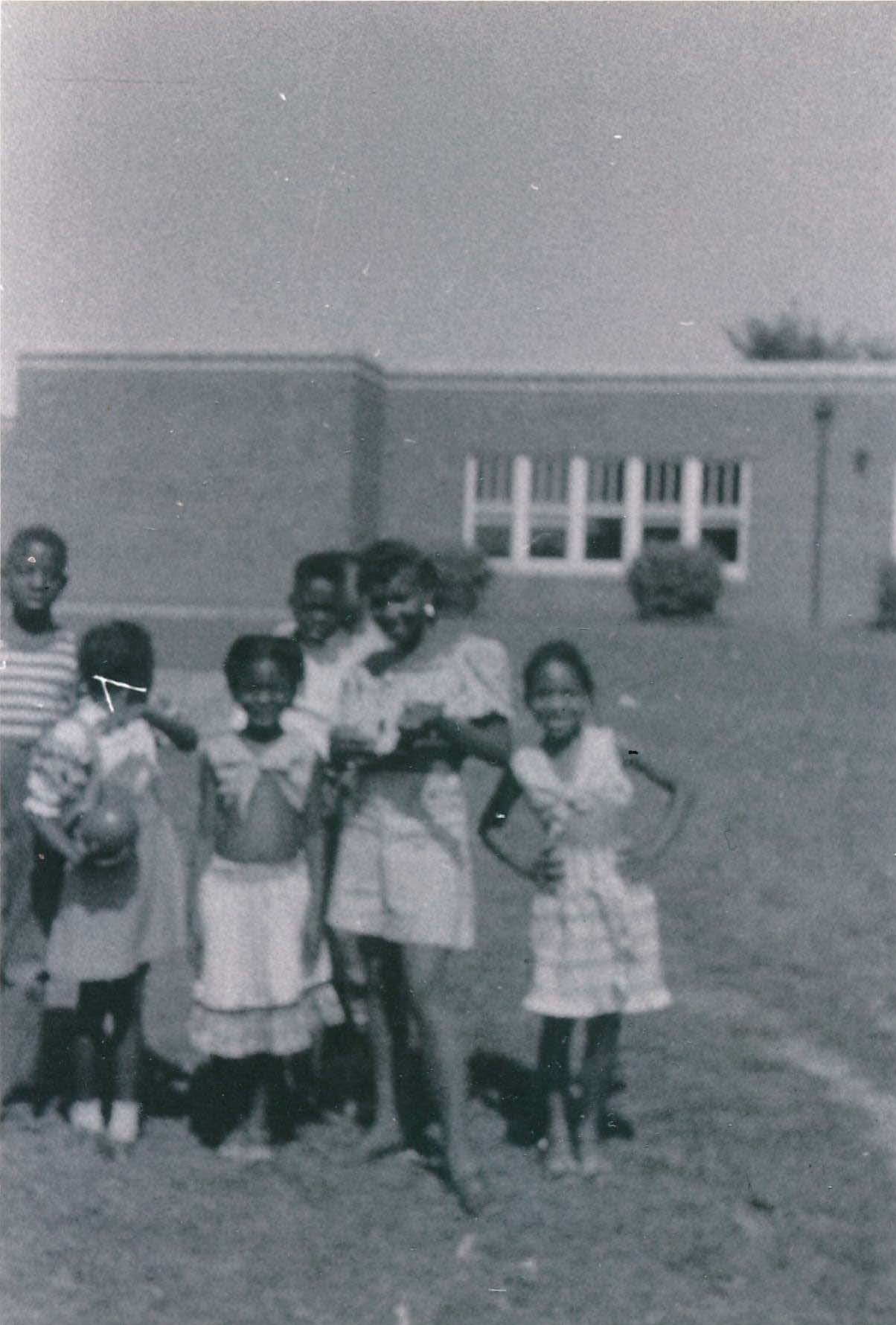
Unidentified children playing outside at recess at Young School.
Ann attended Young School, which was for Black students only, from first through eighth grade. Ann says she “walked up the hill to the school on Dodgion. I liked school because it was the only time I was around children my own age; it was my social life that I loved.”
Ann was always taller than the other students. “People,” she recalls, “were always in awe of my height and ask cruel questions like ‘when is she going to quit growing?’” Young School had a cafeteria where she ate every day.
Ann and her family attended the Second Baptist Church, where she sang in the youth choir and made friends among the kids attending. Growing up in the church was a big part of her life.
After eighth grade, Ann was bused along with other students from Young to Lincoln High School in Kansas City, MO. The students were bused from Independence, Excelsior Springs, Lee’s Summit, and Liberty, MO to Lincoln High School at 21st and Woodland, in Kansas City.
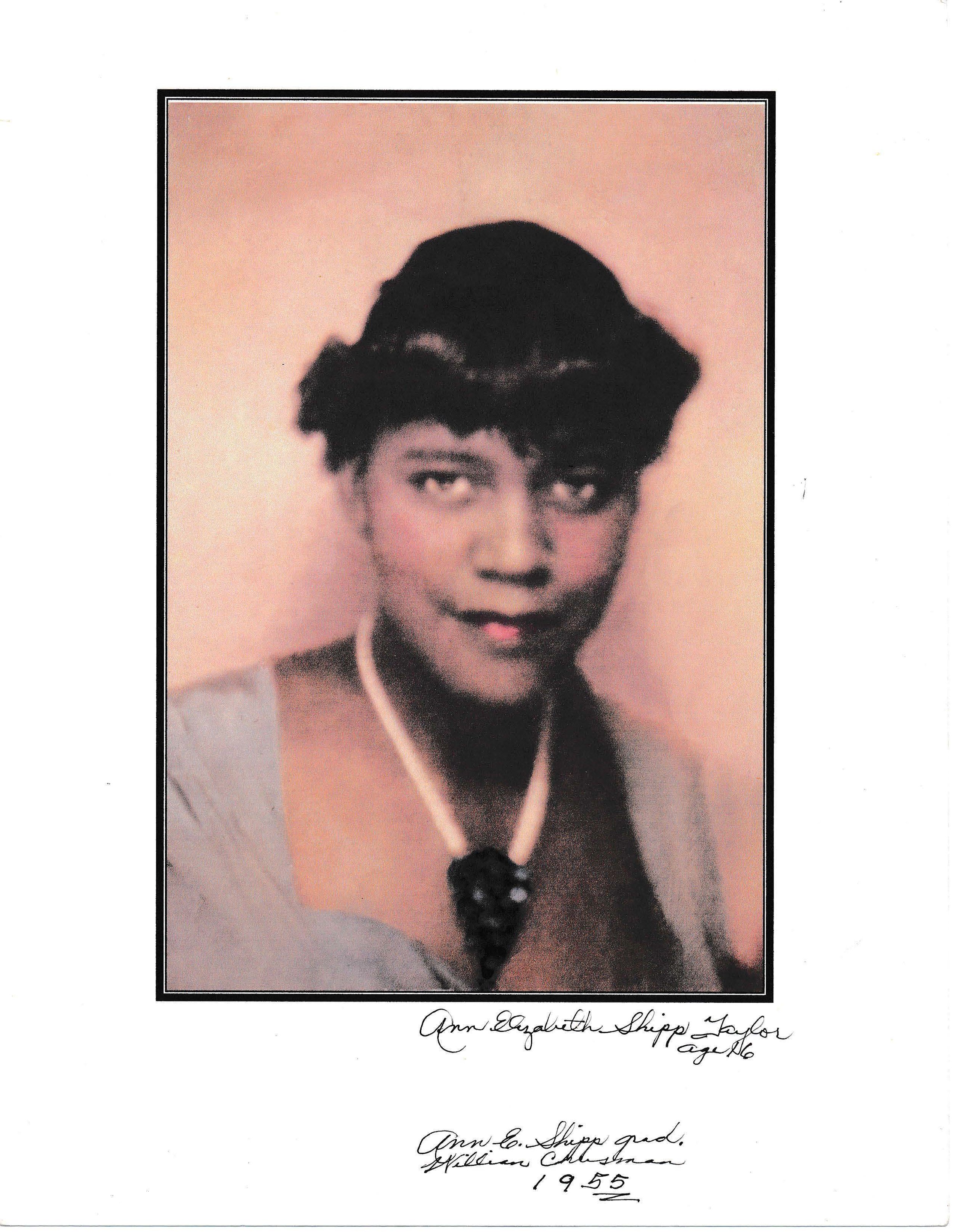
Ann Taylor, age 16.
People in the Kansas City area at the time regarded the Independence students as being from “the country” and therefore looked down on them. Many of the families living in Independence were originally from Southern states, while Kansas City families were mostly from Northern states. Ann recalls a teacher from Independence who didn’t want anyone to know she was from Independence because of this attitude.
“And the teachers were not interested in anything the Independence students had to say, often refusing to let them answer questions in class,” she said.
They resented having to take the students from outlying communities because the administration thought the school was already too crowded. “They were not interested in us because we were ‘country’ people and added to the work for the teachers,” Ann recalls that a lot of KC people did not realize there were Blacks living in Independence. “They thought it was too little for Blacks to live here,” she added.
On May 17, 1954, the U.S. Supreme Court ruling in Brown v. Board of Education changed Ann Taylor’s life. After 11 years in a segregated school system, Ann transferred to William Chrisman High School in the Fall of 1954 as a senior, along with 10 other Black students. For the first time in her life, she would be going to school with white students.
President Harry Truman was aware of the problems desegregation had been causing, especially in the South, and wanted the community to address these issues so that these problems would not occur in Independence when Ann and the other students arrived to attend William Chrisman High School in Fall 1954.
To prepare for the integration of the students, one of the white teachers at William Chrisman High School invited the 11 Black students and 11 white students to her apartment to get acquainted. The group included two of the Black teachers from Young School, Miss Randall and Miss Thomas. This allowed the Black students to get to know some of the white students at William Chrisman High School so that when they started school there would be at least a few familiar faces in the crowd.
It was to ease the integration process in light of the demonstrations and protests that were going on at the time in other cities. “There were odd things that happened, but the churches prayed every week about the issue ahead of integration, and it finally worked its way out,” Ann said.
On Ann’s first day of school, as she nervously walked up Truman Road, a group of white boys in a red pickup truck started harassing her, calling her names and threatening her. She continued along the way, and as she turned and walked by the Truman home, she drew strength knowing that Miss Vietta, the Truman housekeeper and cook, was inside. When she arrived at school, she went directly to the office and spoke to Principal Joseph Benson. He asked her not to tell anyone about the incident.
Benson called an assembly and let students know that there was to be none of that and told them, “We’re not going to have this problem.”
Nothing more happened except some derogatory comments, but from then on, she didn’t listen to the comments. Ann recalls she made many friends among the white students and has made many more as the years have passed.
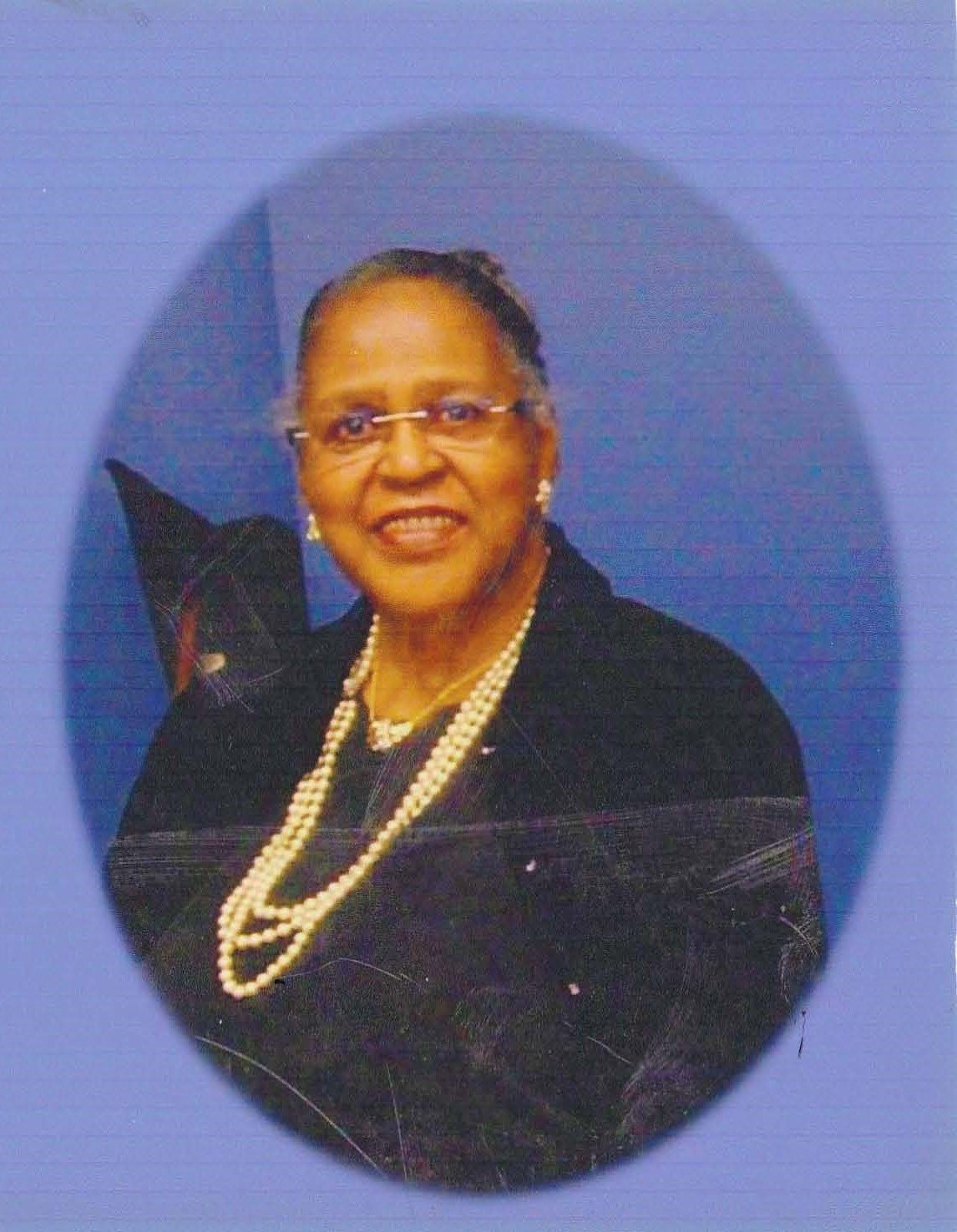
Ann Taylor.
After Ann was harassed on the way to school, a neighbor, Robert Hambright, drove her to school for about two months. She walked to school with friends and recalls praying all the way on her walk to school. “There were only 11 of us in a school of 1,100 students at William Chrisman, so we had to use common sense.”
When she graduated in 1955, she was among the first Black students to graduate from William Chrisman High School.
Alversia Pettigrew was born in a home for unwed mothers, but her mother could not give her up, and so she and her mother went to live in the home of her great aunt and uncle, “Nanny and Daddy.” As the only child raised in this home, her memories are that she was raised “with lots of love.”
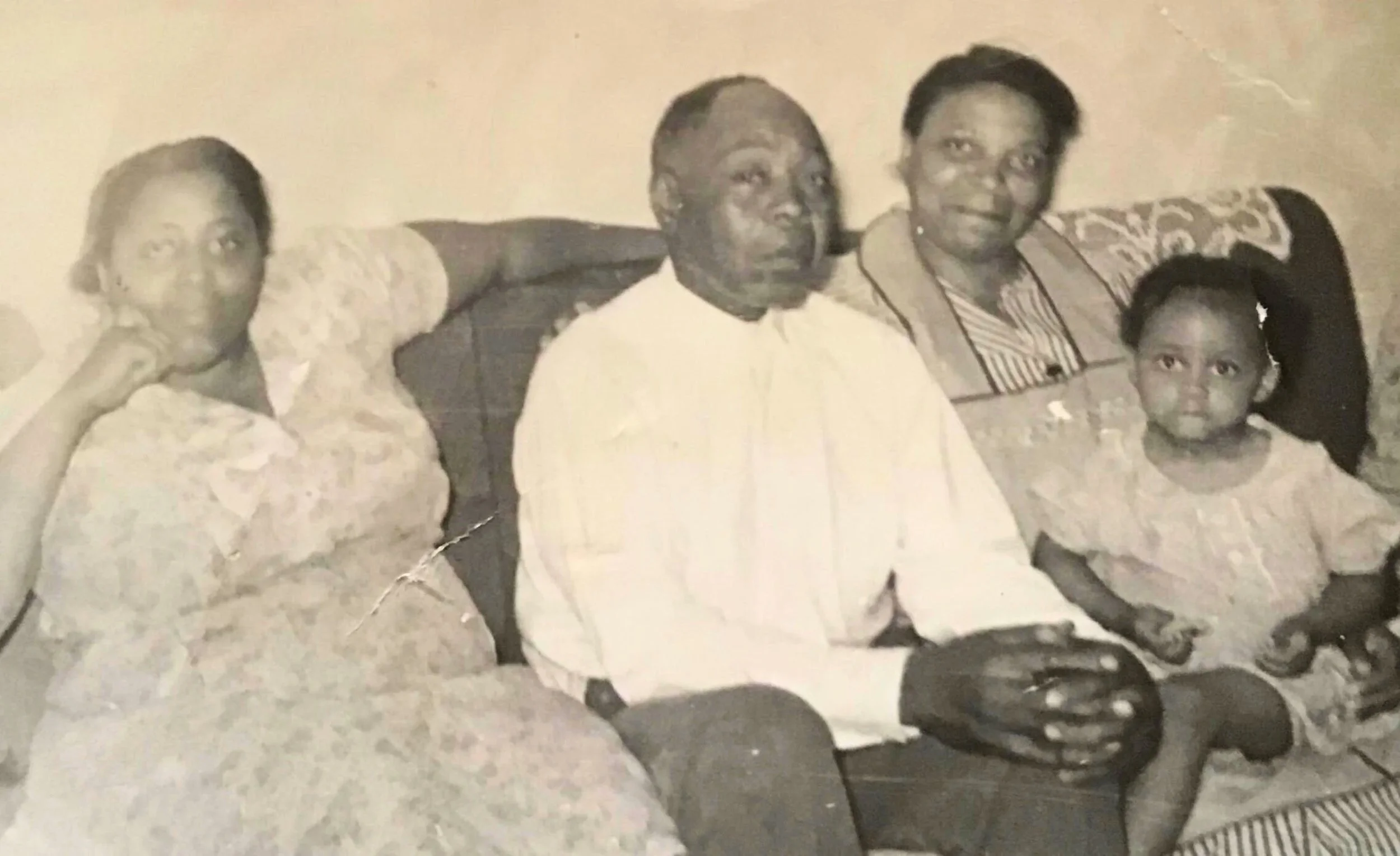
The family of Alversia Pettigrew.
Her home was located “smack dab” in the area of Independence, which was referred to as “The Neck.” Alversia has described her life living in the Neck in her book “Memories of a Neck Child.” This was “home,” they took pride in hanging out the whitest and cleanest washing and keeping a clean and comfortable home. She never thought of her family as poor, but did “long for indoor plumbing.”
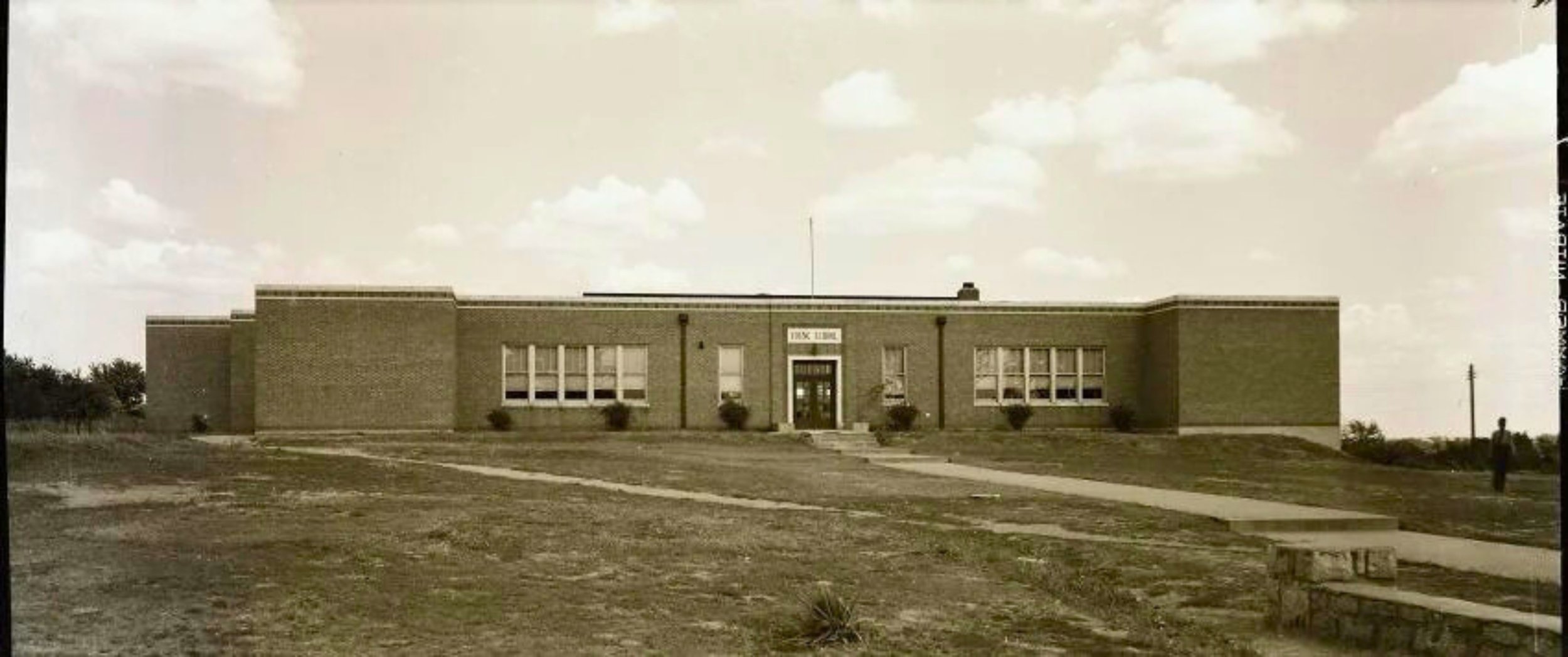
The Young School, August 14, 1938. JCHS Image No. PHM 24105.
When Alversia started school, the local schools were segregated, so she attended elementary school at Young School. This all-Black school was built by and named after Hiram Young, an enslaved person who became a prosperous businessman in Independence. When Young School was built, it was furnished with the old desks and books from the white schools. The old Missouri history books did not teach about Black slavery or any Black History.
“While we did learn about George Washington Carver and Booker T. Washington, we never knew who Hiram Young was nor why our school had his name,” Alversia said.
Alversia is involved in many projects involving Hiram Young School and Habitat for Humanity, the organization now located in the old school building. Growing up, her life centered around her school and the St. Paul A.M.E. Church.
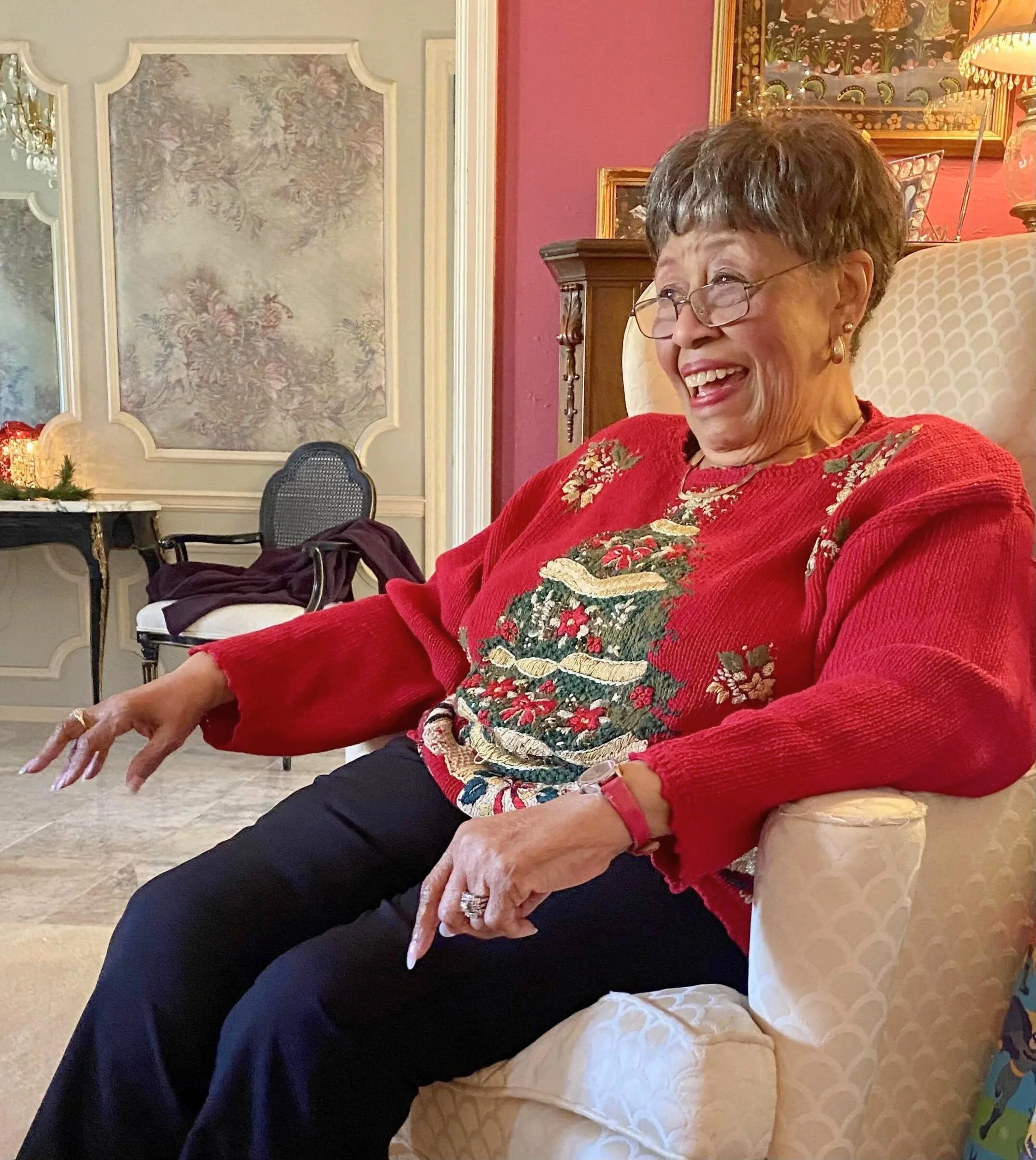
Alversia Pettigrew.
When Alversia entered seventh grade, she attended the integrated Independence Junior High School and later William Chrisman High School. She was one of the first Black students to attend those schools. Her experiences during these years were that the “ students were never a problem” and that the occasional “off-colored” statement was from the teachers.
She recalls that for the most part, she seemed to have caring teachers, and some remain special to her today. When she graduated in 1962, she was among five Black graduates. When her sons attended school in Independence many years later, their experiences were vastly different
She believes her musical skills helped her to fit in during high school. She was a member of the A Cappella Choir as the first Black student in William Chrisman’s history to audition and gain acceptance to this elite choir. She also played the piano. Alversia started studying piano with a teacher in Kansas City, and the bus ride took an hour and a half. Because of this long bus ride, a teacher was found who lived on South Grand near the RLDS (now Community of Christ) Auditorium. After walking to her house for lessons for three weeks, the teacher received complaints from her neighbors about having seen “Blacks” in the neighborhood, and suggested to Nanny that it would be better if I found somewhere else to study music.
Trips to the Independence Square were “bittersweet” memories for Alversia. She enjoyed walking with her mother or Nanny.
“We were free to buy anything we needed,” Alversia said, “although we were always under the watchful eye of the salespersons, because, by being Black, we gave off the signal that we might steal something, you know.”
After seeing the white children swiveling stools at the counter at Woolworth’s, she wanted to do that and loudly protested as her mother explained why she couldn’t do that.
Visits to the Velvet Freeze with her friends were popular to buy ice cream cones, but they had to eat them on the way home as they were not allowed to sit at the counter in the cool store.
If Alversia and her family and friends wanted to see a movie, they had to catch a bus to Kansas City to visit the Lincoln, Castle, or Gem Theaters since they could not attend the local Granada Theater, located just a few blocks from their home.
After graduating from William Chrisman High School, she attended two years of college at the Resident Center, which was a local branch of Central Missouri State University. Her memories of those years are that she had a good experience.
Her first job was at Independence Sanitarium and Hospital, where she started work in 1964 as a clerk-typist, eventually advancing to a transcriptionist. She worked there her entire career and became a medical records supervisor, a position she held when she retired in 2007.
During the 1960s, when the City of Independence implemented Urban Renewal and her neighborhood was razed, she and her family moved to North Spring in all white neighborhood. Some neighbors were “welcoming,” while a few were not.
She now lives on Delaware and can look out onto McCoy Park, the site of her old neighborhood. Shortly after they moved there in 1966, her husband was watering the lawn, and President Truman walked by and welcomed them to the neighborhood. So much had changed since she was a child, and the children were told to “get back down there where you belong”.
“If you stand in the front doorway of the school (Young) and look back toward downtown, you’ll have a marvelous view,” Alversia said. “It was the view of town we had every day, a town where we didn’t belong, not totally. But today is different. Some of the old ways hang on, but mostly life is better.”
Beatrice Louise Johnson Agee was born on Valentine’s Day in 1946 in Independence. Bea grew up in a family of seven children. Her older brothers, Ron and Mike, played varsity basketball for William Chrisman, and Ron was chosen as Mr. School Spirit, and Mike sang in the Boys Glee Club.
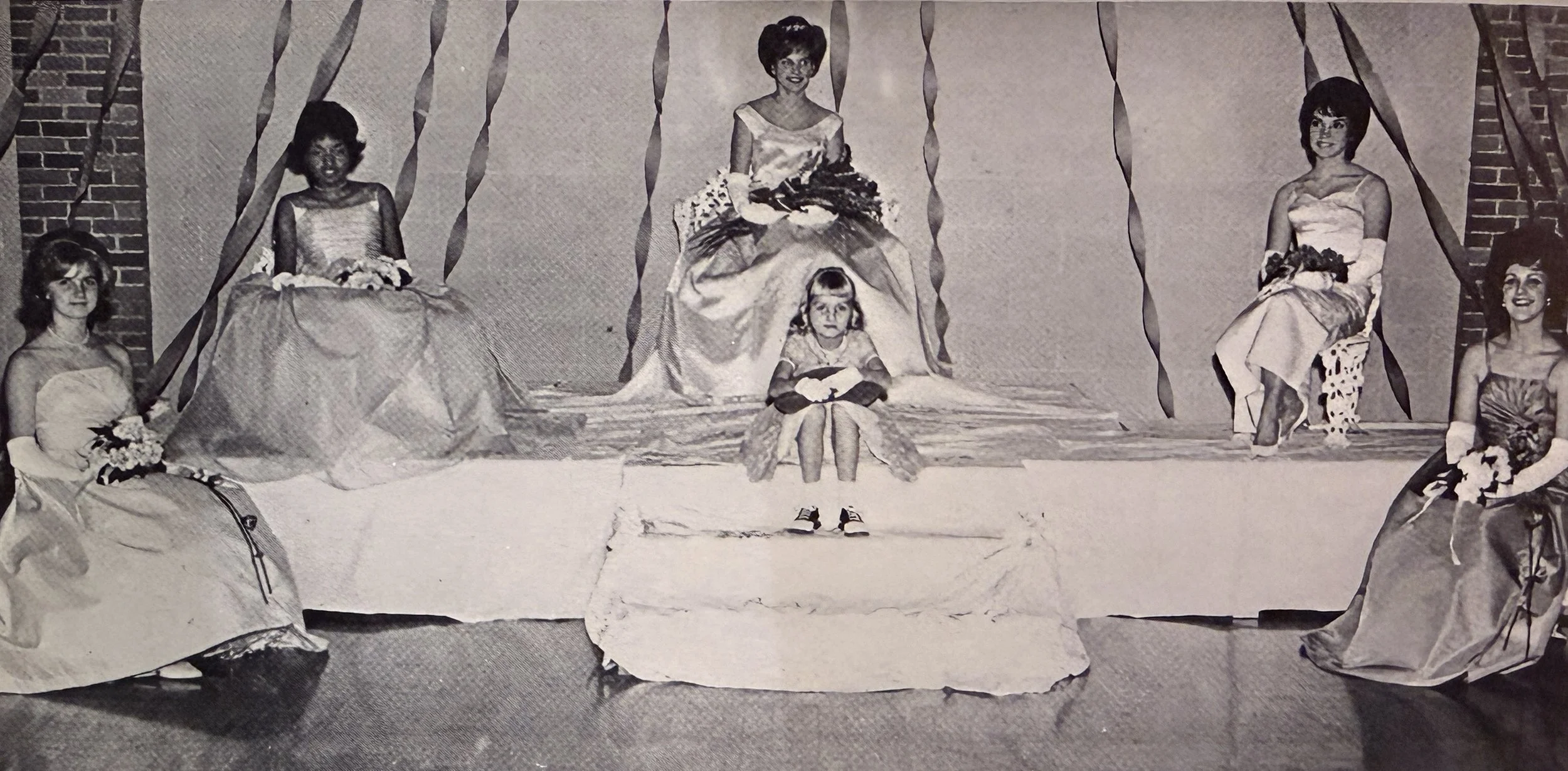
Bea Johnson’s Court Warming, 1963.
Bea attended Young School through sixth grade during the period when Independence schools were segregated. When Bea reached seventh grade, she attended the integrated Independence Junior High School and later William Chrisman High School. During her high school years, she was a member of the Pep Club, Glee club and A Cappella Choir. As a senior in 1963, she was chosen as the Basketball Court Warming Senior Attendant.
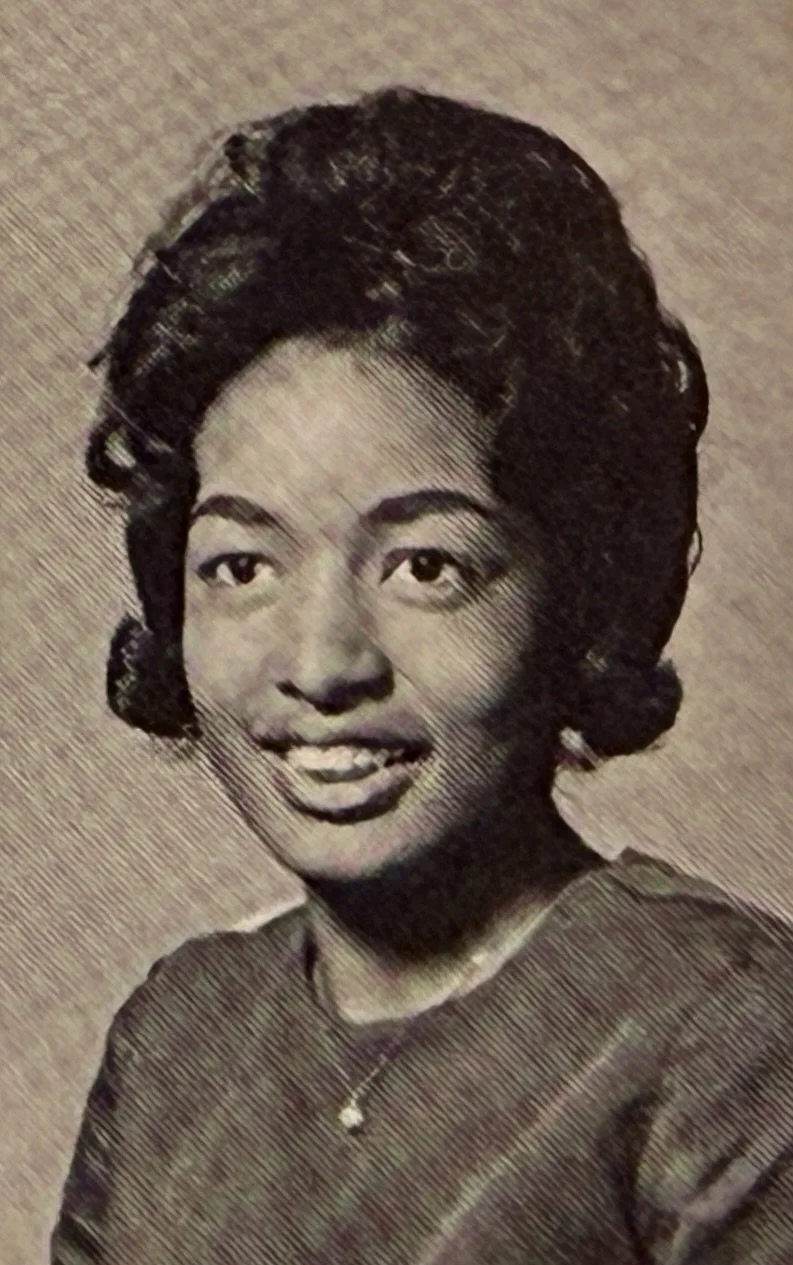
Bea Johnson, senior picture.
She graduated from William Chrisman High School in 1963 and went on to earn both her Master’s and Educational Specialist degrees from the University of Central Missouri in 1967.
Bea was the first Black member of the Independence Junior Service League.
Beatrice devoted her life to education, beginning as an elementary school teacher in the Independence School District at William Southern, Alton, and Noland Elementary Schools. In 1981, she became Principal of Santa Fe Trail Elementary, where she served with distinction until her retirement in 2004. Her commitment to children and learning continued as she worked as Assistant to the Superintendent until 2007. Bea died in 2025 and is missed by those who knew and loved her.
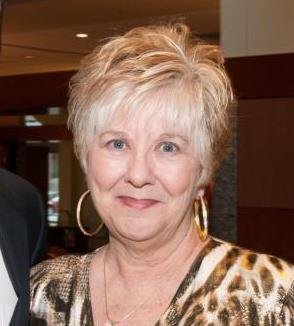
Gloria J. Smith is the current President of the Jackson County Historical Society.